 |
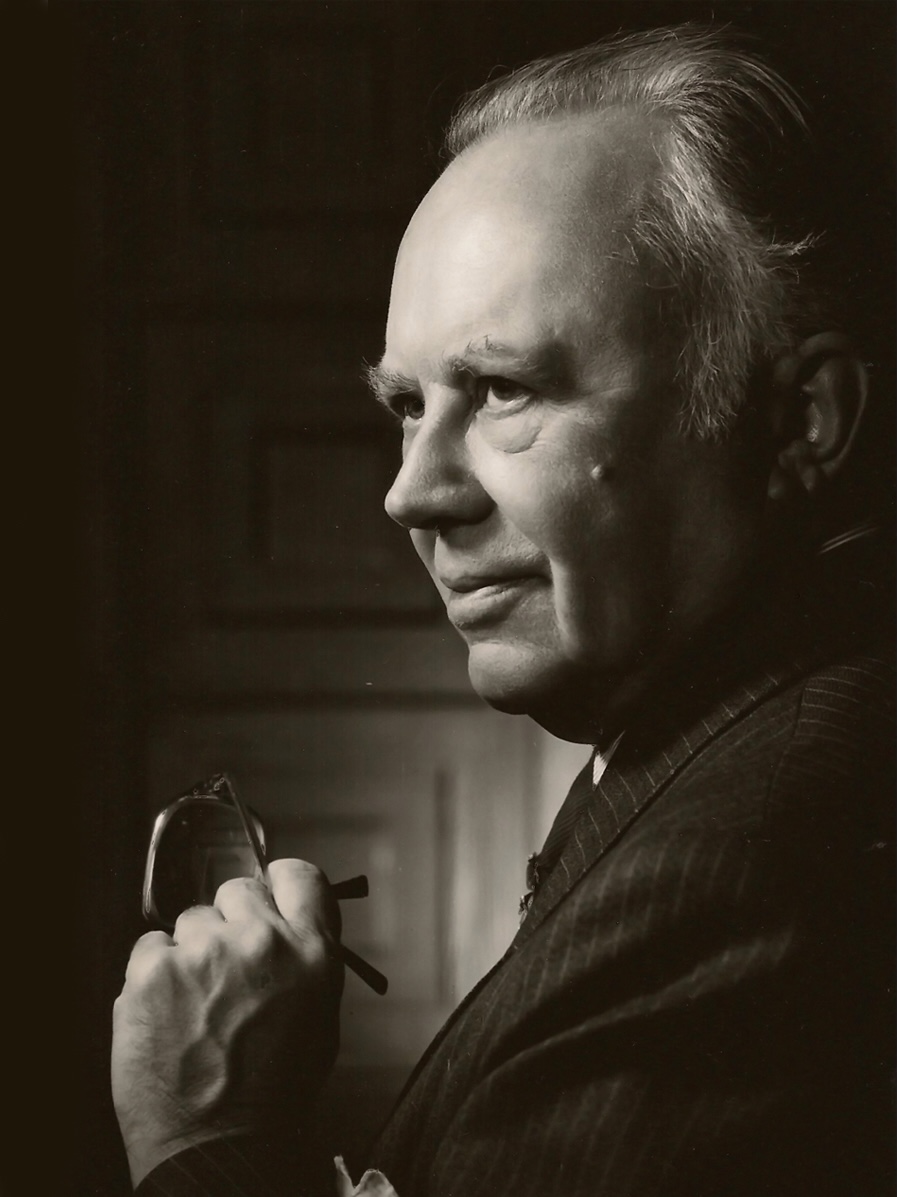
| Timothy Egan. (Photo: Barry Wong.) |
The last few days, I’ve been focused on the
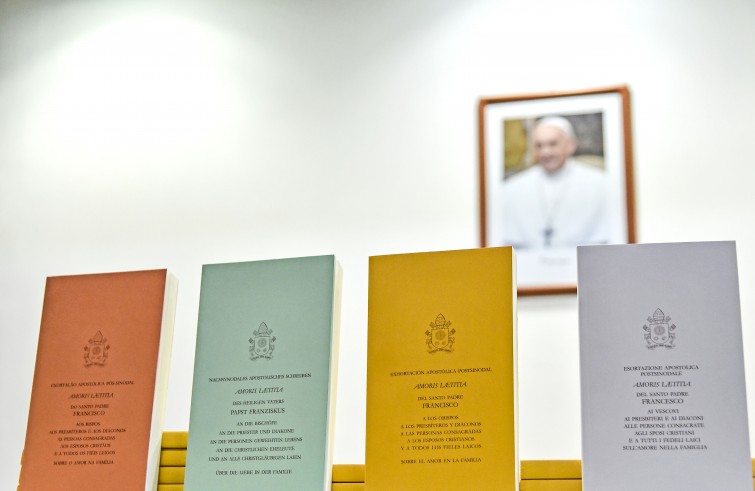
hyperventilating by Catholic radical traditionalists over Amoris
Laetitia, Pope Francis’ overlong summation of the work of the last two
Synods on the Family. The reactions from the left were, for the most part,
entirely predictable — some despaired because it didn’t go as far as they
thought it should, while others rejoiced because they thought it went farther than
it did. Of the latter category, we have Timothy
Egan of the New York Times, who
penned what Phil
Lawler has called “surely ... the dumbest column published on the topic.”
“Sex was Dirty”
Egan, Lawler states, “rolls out the stale complaints of the
1970s about the Bad Old Church, opening and closing his column with citations
from the late comedian George Carlin. The reader will look in vain for
references to any other authority. Nor is there evidence that Egan has paid
attention to Catholic writers who have reflected on the Church’s approach to
human sexuality more recently, and just maybe more profoundly, than Carlin—such
as, just for example, St. John Paul II.”
Actually, Egan does worse than go without authoritative
references: he cites the
Baltimore Catechism in such a way that it appears to support the tropes.
Sex was dirty. Sex was shameful. Sex was unnatural. Thinking about it was wrong. Premeditation itself was a sin, and so was flirting. Sex had one purpose: procreation, the joyless act of breeding. “The sixth commandment forbids all impurity and immodesty in words, looks and actions,” was admonition No. 256 in the Baltimore Catechism, the standard text used to teach the faith from 1885 to the late 1960s.
No. 256 [sic; the actual answer number is 257] also warned about the dangers of “sinful curiosity, bad companions, drinking, immodest dress and indecent books, plays and motion pictures.” If that sounds now like the dynamics of a good dinner party, you can also see this pope joining the fun at the table.
In my
post on Amoris Laetitia, I spoke
of the distinction the Church makes between the doctoral (“What do we
teach?”) and the pastoral (“How do we integrate this teaching into
parish life?”). The same kind of distinction ought to be observed between doctrine and indoctrination: religious formation, also known as catechesis. What the Catholic Church
teaches is one thing; what Tim Egan and George Carlin “learned”, however, is
another thing entirely, and may not be entirely their fault for not paying
attention in class.