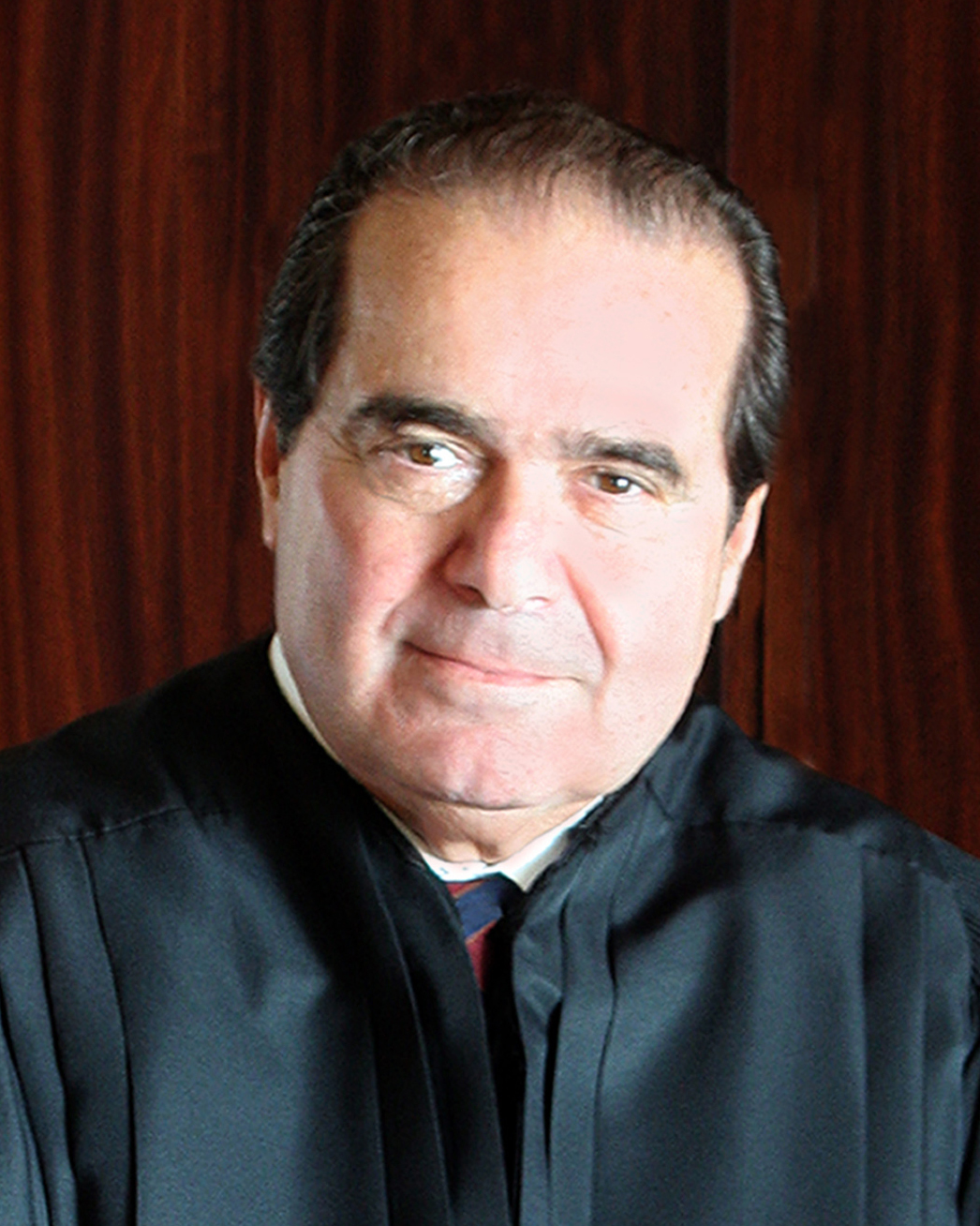
Oddly enough, according to a couple of sources, Associate
Justice Antonin G. Scalia’s best friend was AJ Ruth Bader Ginsburg. Said
Marcia Coyle on PBS NewsHour Weekend,
Scalia, who passed away Saturday at the age of 79, “was widely liked ... a very colorful
writer, and in person ... a consummate gentleman, ... could be very funny. He
is going to be missed ... especially by Justice Ginsburg, with whom he had a
special friendship — they called each other best friends — and with whom he
went to opera and ... to India.”
“He does not write like a happy man”
To hear Scalia described as “widely liked” and a “consummate gentleman” may sound improbable to people who only knew of him through his strident, hectoring argumentation on the bench, especially to liberals and progressives who came to hate him as a conservative obstructionist. (One gay man of my acquaintance sneered, “My condolences to the Koch brothers for their loss.”)
Because Scalia’s opinions coincided often with conservative
interests, it was all too easy to claim his originalism was merely intellectual
cover for his political views — in fact, so easy that more substantive legal
criticism often went lacking. His dissents — and he wrote plenty of dissents in
his nearly thirty years’ tenure on the SCOTUS bench — often sacrificed detailed
analysis of the legal principles involved in favor of sarcastic fiskings of the
majority opinion and fervent homilies on the wider implications of the decision;
e.g., his dissent in Obergefell v. Hodges
(513
U.S. ___ [2015]; pp. 69 ff.). So acidic were his opinions that, as Conor Clarke observed in Slate, “Scalia’s
opinions read like they’re about to catch fire for pure outrage. He does not,
in short, write like a happy man.”