 |
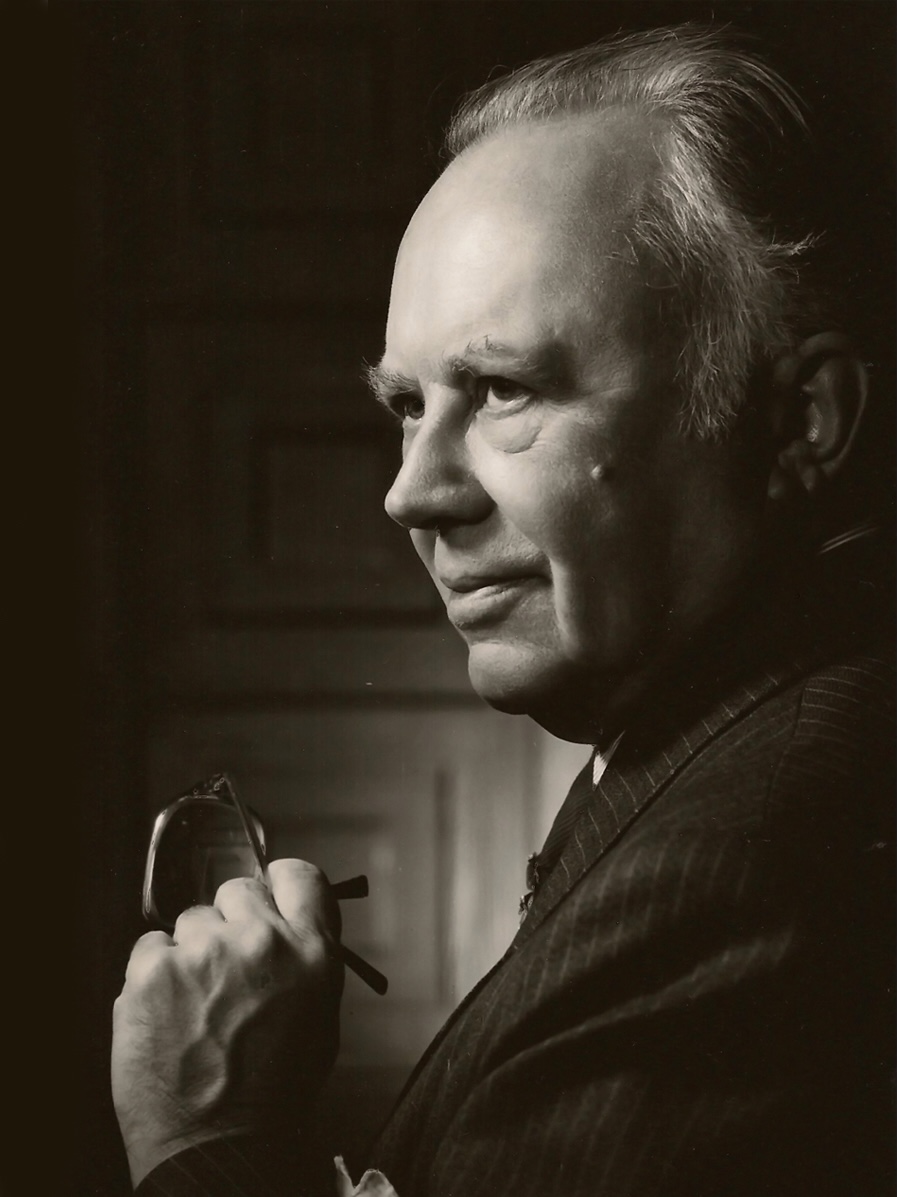
| Russell Kirk (via Wikimedia). |
Conservativism vs. Utopianism
“Can the American right free itself from the utopianism of
the post-Reagan era?” asks
Michael Lind in The National Interest.
The question would have seemed strange to mid-century American conservative thinkers like Peter Viereck, Russell Kirk and Robert Nisbet. In their view, conservatism was anti-utopian by definition. In different ways, they identified “conservatism” with a suspicion of radical schemes to revolutionize America and the world.
But today’s orthodox conservatism consists almost entirely of radical utopian schemes to revolutionize America and the world. So-called “movement conservatism” or “fusionism” in its present form is, in fact, an alliance of three distinct utopian movements in economics, domestic policy and foreign policy. All three crusades are doomed to fail in the real world.
A modern realist, I find, is very often one who, having
despaired of the real world ever meeting the standards of his ideals, goes on
to conclude that we should have no ideals. Lind, a modern realist, therefore
plunks for a bare-bones conservativism, one that seeks merely to preserve the
status quo rather than strive for a better nation.
Unfortunately, Lind doesn’t tell us why the status quo is to
be preserved, or why change is unnecessary. He merely defines three particular
efforts as “utopian” and derides any attempt to achieve them through politics
as “madness”.