On February 27, Melinda Selmys, a self-described “queer convert
to Catholicism”, wrote a post for her blog on Patheos titled, “Does
God Make Mistakes? (And are Trans People One of Them?)” There are two ways,
Selmys asserts, that trans identities could be “real and valid” without using a
fallible God as an explanation. The first is the fallen nature of man; the
second is that the binary model of sexuality is too simplistic.
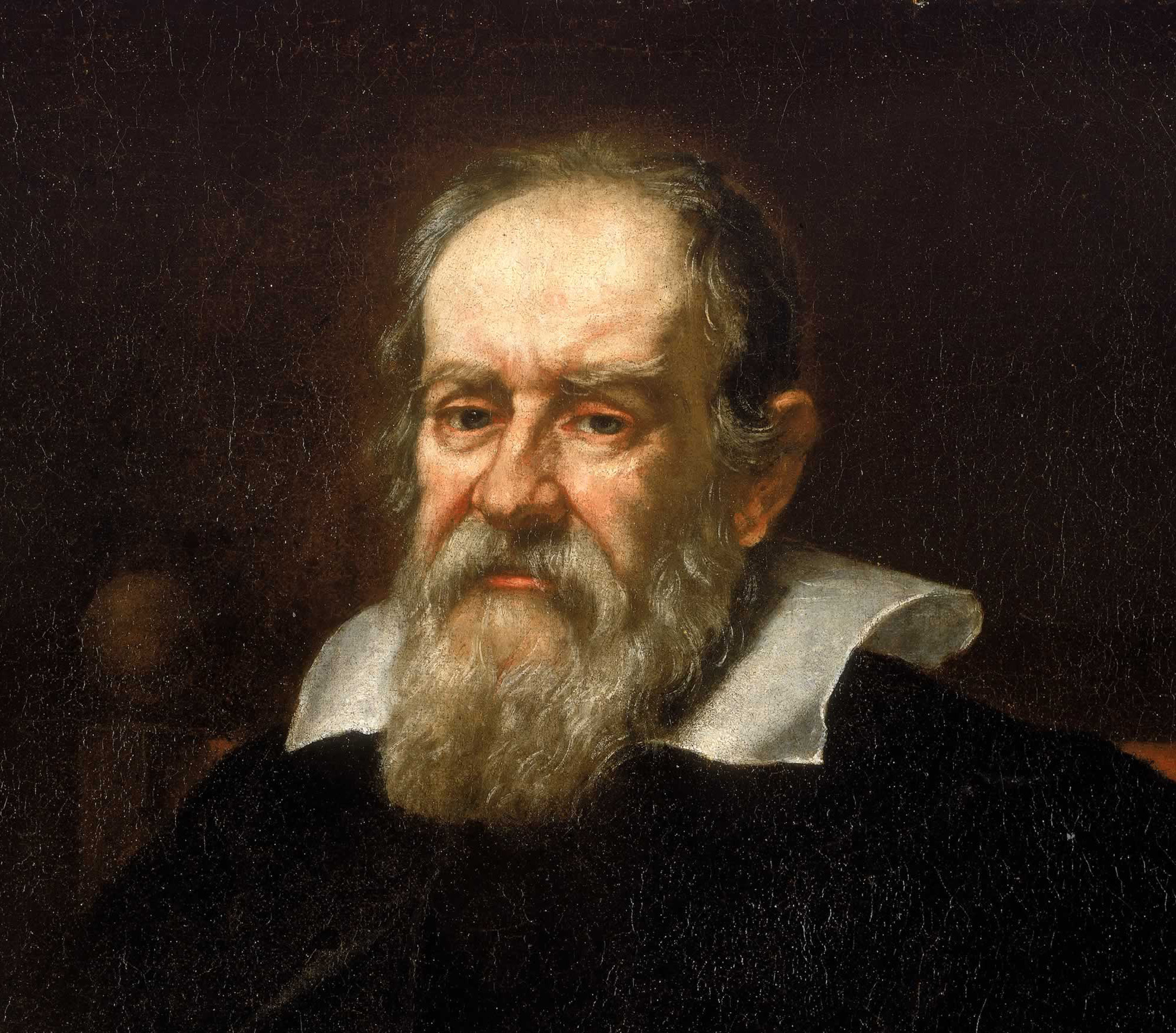
Here Comes Galileo (Again!?)
I have a lot of respect for Selmys. C. S. Lewis said once
that he didn’t talk about homosexuality as a rule because it wasn’t a problem
in his life; he wouldn’t tell someone how to fight a battle he’d never fought.
Likewise, never having thought of myself as anything but a male, I’m in no
position to tell people with gender-identity disorder how to overcome it, nor
can I fault them if they fail. In fact, as I understand it, GID is an almost
intractable problem; even sexual-reassignment surgery is unreliable as a
palliative. (See my
post in The Impractical Catholic on sex changes.)
As I say, I respect Selmys, and don’t wish to impugn her
fidelity to the Church. However, in defending her second postulate, instead of
stepping through the common arguments in support of Church teaching and calling
them into question, she drags Galileo into the argument to serve once more as
the sine qua non of magisterial
error. Poor, abused Galileo! Never simply allowed to rest vindicated, his shade
must be constantly conjured up to bolster weak arguments: “Well, the Church has
been wrong before. Just look at Galileo!”
Why, O why does Selmys, who is capable of so much better,
reach for such a hackneyed and intellectually lazy comparison? Well, because
apparently the Church hasn’t formally instituted the “binary model” as dogma:
How does this relate to the transgender question? Well, today we know that various bodies with lower levels of authority (lower, in many cases than the Inquisition of 1616) have condemned transgender identities. We know that Popes have offered indirect criticism (though Christmas greetings and Papal homilies are not official dogmatic pronouncements any more than airplane interviews are.) We know that the weight of theological tradition falls on the side of a strict male-female binary, and we know that Genesis 1:27 and Matthew 19:4 are traditionally interpreted as excluding legitimate variation from this scheme.
We also know that nothing about transgender or intersex conditions has been promulgated at a level of authority that meets Vatican I’s criteria for infallibility. This means that there remains open the possibility of developments in doctrine that will reveal a space within the order of creation for those who do not fit neatly into binary categories [bold type mine.—ASL]. The basic teaching — that we are created male and female in the image and likeness of God — could be compatible with the idea that there is some admixture of both the male and the female in certain individuals (an idea which, in fact, has roots in some ancient Jewish interpretive traditions.)